


"Fight Right": Transforming Conflict into Connection
If you’ve ever believed that happy couples don’t fight — you’re not alone. Many of us grow up thinking that conflict means something is wrong in a relationship. But according to relationship experts Drs. John and Julie Gottman, who’ve spent over 40 years studying couples, that couldn’t be further from the truth.
If you’ve ever believed that happy couples don’t fight — you’re not alone. Many of us grow up thinking that conflict means something is wrong in a relationship. But according to relationship experts Drs. John and Julie Gottman, who’ve spent over 40 years studying couples, that couldn’t be further from the truth.
In their book Fight Right, the Gottmans show us that it’s not whether you fight, but how you fight that matters. And even more importantly, how you repair and reconnect afterward.
Here are some of the most helpful, heartening lessons from their work and why they might just change how you look at conflict forever.
Conflict Is Normal and Can Even Bring You Closer
All couples disagree. In fact, the Gottmans’ research found that about 69% of the issues couples argue about are ongoing, perpetual differences, like whether you’re a morning person or night owl, neat freak or clutter collector. And that’s okay.
What makes the difference is how partners handle those differences. Instead of trying to win the argument or avoid it altogether, healthy couples learn to manage conflict in a way that deepens trust and understanding.
Meet the Four Horsemen (And How to Stop Them)
The Gottmans identified four common behaviors that, if left unchecked, predict relationship trouble:
Criticism: Attacking your partner’s character (“You’re so selfish”)
Contempt: Mocking, eye-rolling, or sarcasm — a sign of disrespect
Defensiveness: Shifting blame instead of taking responsibility
Stonewalling: Shutting down or emotionally withdrawing
We all fall into these patterns sometimes. The key is noticing when they show up and having tools to turn them around.
Simple Shifts That Change Everything
Here’s what the Gottmans recommend instead:
Gentle Start-Ups: Begin conversations softly. Say how you feel and what you need without blame.
Appreciation Culture: Make a habit of expressing what you value in each other, especially in the small, everyday moments.
Take Responsibility: Even if it’s a tiny part, owning your piece of the conflict calms defensiveness.
Take Breaks: When you feel overwhelmed (heart racing, muscles tight, mind spinning), pause the conversation. Step away for 20 minutes, do something soothing, then come back when you’re calmer.
Most Fights Aren’t Really About the Dishes
Underneath almost every recurring argument is something deeper: a hope, fear, or need that hasn’t been fully seen. Maybe the fight about the dishes is really about wanting to feel cared for, or about fairness, or about needing rest.
The Gottmans call these the dreams within the conflict. When couples take the time to uncover what’s really at stake for each other, conflict becomes a doorway to closeness, not distance.
The Little Things Matter Most
We connect in tiny, everyday moments: a passing joke, a glance, a sigh, a touch. The Gottmans call these emotional bids — little signals we send to each other, asking for connection.
What makes couples strong isn’t how perfectly they handle the big stuff, but how often they “turn toward” these bids instead of away. Noticing your partner’s sigh and asking, “Rough day?” can be more powerful than grand romantic gestures.
Conflict Isn’t the Problem…Disconnection Is
Arguments don’t erode relationships. Emotional disconnection does. That’s why repair attempts — those small gestures like saying “I’m sorry,” using humor, or reaching for your partner’s hand — are so essential. It’s not about never hurting each other; it’s about repairing quickly and kindly.
When Emotions Run Too High
Sometimes during conflict, we hit a state the Gottmans call flooding , when our body’s stress response takes over (think rapid heartbeats, sweaty palms, brain on overdrive). In these moments, it’s nearly impossible to have a productive conversation.
The antidote? Know the signs and take a break. Calm your body first, then your words will follow.
The Magic Ratio
Healthy couples have five positive interactions for every negative one, even during conflict. A smile. A joke. A kind word. A moment of physical affection. These little acts of warmth and humor act like relational glue, keeping you connected even when you disagree.
Final Thought: Conflict as Connection
Fight Right reminds us that good relationships aren’t built on perfection. They’re built on trust, repair, and small daily moments of kindness. Conflict isn’t something to fear — it’s a chance to learn more about the person you love and about yourself.
And when done with care, it’s one of the ways couples grow closer.
If this resonates with you, or if you and your partner would like to learn how to "fight right" in your own relationship, it might be a beautiful thing to talk about with a therapist. Because conflict doesn’t have to be a crisis — it can be a conversation.

Lucky Girl Syndrome: Wishful Thinking or Mindset Shift?
You’ve probably heard it by now: “I’m just a lucky girl—everything works out for me.” This simple phrase, known as Lucky Girl Syndrome, has gone viral, especially among young women online. But what’s really going on beneath the surface? Is it spiritual optimism, toxic positivity, or something in between?
Let’s explore what psychology says about this trending mindset and how it relates to real mental wellness.
Understanding the Trend and What Psychology Really Says About It
You’ve probably heard it by now: “I’m just a lucky girl, everything works out for me.” This simple phrase, known as Lucky Girl Syndrome, has gone viral, especially among young women online. But what’s really going on beneath the surface? Is it spiritual optimism, toxic positivity, or something in between?
Let’s explore what psychology says about this trending mindset and how it relates to real mental wellness.
What Is Lucky Girl Syndrome?
Lucky Girl Syndrome (LGS) is a self-affirming mindset where people repeat phrases like “Good things are always happening to me,” in hopes of attracting more positive outcomes. It’s rooted in the idea that your thoughts create your reality.
On TikTok, users share stories of job offers, unexpected money, or chance meetings that they attribute to their positive self-talk. It sounds magical but how does it hold up in the world of psychology?
The Psychology Behind the Trend
1. The Self-Fulfilling Prophecy
Psychologist Robert Merton coined this concept in 1948: when you believe something will happen, your behavior often changes in ways that make it more likely to come true.
Example: If you believe you’re lucky and expect good things, you may take more social risks, apply for jobs with more confidence, and interpret neutral events more positively, all of which can lead to better outcomes.
Supporting Research: A 2010 study published in Psychological Science found that optimistic people were more likely to set higher goals and persist through setbacks, critical traits for success.
2. Cognitive Reframing & Positive Psychology
Lucky Girl Syndrome encourages individuals to focus on what’s going right rather than what’s going wrong. This is a core technique in Cognitive Behavioral Therapy (CBT), called cognitive reframing.
Instead of thinking, “Everything goes wrong for me,” you learn to think, “Even when things go wrong, I can handle it.”
Positive psychology also supports the idea that optimism and gratitude can improve well-being. Dr. Martin Seligman, one of the founders of positive psychology, found that hope, gratitude, and optimism are all linked to higher life satisfaction.
3. Manifestation vs. Magical Thinking
Here’s where it gets tricky. While positive thinking can change behavior and perception, it doesn’t control reality.
Believing that repeating affirmations will directly cause the universe to give you what you want can veer into magical thinking, which is often discussed in psychology as a cognitive distortion, especially when it replaces real action or avoids deeper emotional work.
When Positivity Becomes Pressure
There’s a darker side to Lucky Girl Syndrome. If everything is supposed to work out just because you believe it will, what happens when it doesn’t?
You might feel like you failed by not being “positive enough.”
It can promote toxic positivity, where negative emotions are denied or suppressed.
It may make people avoid dealing with real mental health issues, thinking they can just “affirm them away.”
Psychological Insight: Real healing often involves facing hard emotions, not bypassing them with mantras.
What Actually Works
If you like the feel-good tone of Lucky Girl Syndrome, good news, there are healthy ways to apply its spirit without losing touch with reality:
Evidence-Based Tips:
Gratitude Journaling – Shown to increase happiness and reduce depression over time (Emmons & McCullough, 2003).
Values-Based Goal Setting – Aligns actions with what truly matters to you, increasing fulfillment.
Affirmations with Action – Use positive statements and take small steps that support those beliefs.
Final Thoughts: Is It Harmful or Helpful?
Lucky Girl Syndrome isn’t entirely fluff, there’s real psychological value in optimism, confidence, and goal-directed thinking. But it needs to be grounded in action, tempered by reality, and balanced with emotional honesty.
You don’t need to “manifest” luck. You can create opportunities, foster resilience, and cultivate mental habits that help you thrive.
You don’t have to be a “lucky girl” to believe in yourself. You just have to be you—with tools, support, and self-compassion.
If You’re Exploring This Topic With a Therapist...
Ask about:
How affirmations can support real behavior change
Ways to balance hope with practical planning
Building a mindset that supports resilience, not avoidance

Why Teens Are Turning to AI for Mental Health Support — And What Parents Need to Know
New Kind of Help: AI Chatbots and Mental Health
If you're a teen struggling with anxiety, loneliness, or an eating disorder — or a parent concerned about your child's mental well-being — you're not alone.
Today, more teens and young adults are turning to AI-powered chatbots like Woebot, Wysa, and Replika for mental health support. These digital tools offer a private, judgment-free space to talk about difficult emotions, often using techniques from Cognitive Behavioral Therapy (CBT).
🗣️ "I couldn’t talk to anyone, but Woebot helped me feel heard."
— 17-year-old, anonymous user via Reddit
But are these chatbots helpful? Or do they pose new risks? Let’s take a closer look.
New Kind of Help: AI Chatbots and Mental Health
If you're a teen struggling with anxiety, loneliness, or an eating disorder — or a parent concerned about your child's mental well-being — you're not alone.
Today, more teens and young adults are turning to AI-powered chatbots like Woebot, Wysa, and Replika for mental health support. These digital tools offer a private, judgment-free space to talk about difficult emotions, often using techniques from Cognitive Behavioral Therapy (CBT).
🗣️ "I couldn’t talk to anyone, but Woebot helped me feel heard."
— 17-year-old, anonymous user via Reddit
But are these chatbots helpful? Or do they pose new risks? Let’s take a closer look.
📲 Why Teens Are Using Mental Health Apps
For many young people, AI chatbots feel:
Accessible – Free or low-cost and available 24/7
Private – No need to worry about being judged
Familiar – Text-based and casual, just like chatting with a friend
And with waitlists for therapy growing and many teens feeling overwhelmed, AI support often feels like a lifeline.
📊 A 2023 study published in JMIR Mental Health found that teens who used Woebot reported a significant drop in depressive symptoms after just two weeks.
👨👩👧 For Parents: What You Should Know
As a parent, you might wonder:
"Is it safe for my teen to use a chatbot for emotional support?"
Here’s the truth:
✅ The Good:
Some apps are based on real psychological science (like CBT).
Teens may feel more comfortable opening up to a “non-human” first.
It can be a first step toward therapy, not a replacement.
⚠️ The Concerns:
Chatbots can’t diagnose or help in a crisis.
They may not recognize signs of eating disorders or suicidal thinking.
Misinformation spreads quickly — especially on TikTok, where 83% of “mental health advice” is misleading.
🧠 Encourage your teen to share what they’re using and talk about it. You’re not taking away their tool — you’re making sure it’s helping, not harming.
🍽️ AI Chatbots and Eating Disorder Recovery
Some AI apps now claim to support eating disorder (ED) recovery — but this is a delicate and high-risk area.
At the same time, toxic trends like #SkinnyTok continue to expose teens to harmful content that glorifies thinness and disordered eating.
🚨 A UK study reported a 35% rise in teen hospitalizations related to eating disorders, with social media influence as a major factor.
So while a chatbot might offer support, it’s not a replacement for professional help. In ED recovery, medical and psychological supervision is essential.
💬 What You Can Do — Together
For Teens:
If you're using a chatbot and it's helping you feel calmer, that’s great.
But if you're feeling worse, confused, or alone — it’s time to talk to a real person.
Ask a parent, school counselor, or therapist for support.
For Parents:
Ask: “Have you used any apps to help you feel better?”
Listen without judgment. Your goal is openness, not control.
Consider trying the app yourself to better understand it.
🧭 Final Takeaway
AI mental health tools are here to stay — and they can be part of the solution, especially when used wisely and with guidance. But they should never replace genuine human connection or professional care.
🤝 Talk with your teen. Ask questions. Be curious, not critical.
Together, you can make technology work for healing — not harm.

“Get Un-Ready With Me”: The Self-Compassion Movement We Didn’t Know We Needed
In a digital world saturated with “Get Ready With Me” tutorials, heavily filtered selfies, and beauty-enhancing apps, a quiet rebellion has emerged — and it’s deeply psychological.
Enter: #GetUnReadyWithMe — a growing social media movement where influencers and everyday users remove their makeup, shed the pressure to perform, and show up as they really are. Unlike its predecessor, this trend isn’t about prepping to face the world — it’s about unwinding, being real, and embracing vulnerability.
From Filters to Freedom: A Cultural Shift in Self-Image
In a digital world saturated with “Get Ready With Me” tutorials, heavily filtered selfies, and beauty-enhancing apps, a quiet rebellion has emerged — and it’s deeply psychological.
Enter: #GetUnReadyWithMe — a growing social media movement where influencers and everyday users remove their makeup, shed the pressure to perform, and show up as they really are. Unlike its predecessor, this trend isn’t about prepping to face the world — it’s about unwinding, being real, and embracing vulnerability.
✨ "I used to feel like I had to be perfect before hitting record. Now I just breathe, take off my makeup, and talk about my day." — 22-year-old TikTok user
🧠 The Psychology Behind “Getting Un-Ready”
At its core, this movement taps into key themes in psychology: authenticity, self-compassion, and identity development. Research shows that chronic self-presentation — particularly on social media — can contribute to:
Increased anxiety and depression
Body image dissatisfaction
Imposter syndrome
🧪 A 2022 study in Body Image found that women who engaged in more “appearance-focused social media activity” reported lower self-esteem and more disordered eating behaviors.
“Getting un-ready” offers a corrective experience: one that models imperfection as acceptable and even healing.
🪞 Why This Matters for Teens and Young Adults
For young people, especially girls, adolescence is a critical time for identity formation. The pressure to “curate” a perfect self online can lead to psychological distress, particularly when self-worth is linked to external appearance or likes.
This is why movements like #GetUnReadyWithMe are not just refreshing — they’re developmentally protective.
📊 According to Psychology of Popular Media, teen girls exposed to unfiltered content that emphasizes self-acceptance report more body appreciation and fewer social comparisons.
👨👩👧 What Clinicians and Parents Can Encourage
🧩 For Clinicians:
Use the movement as an entry point in therapy to discuss self-image, shame, and perfectionism.
Ask clients: “What parts of yourself do you feel pressure to hide?”
Suggest self-compassion exercises during nighttime routines (e.g., mindful mirror check-ins, journaling).
🧩 For Parents:
Model self-acceptance at home by speaking kindly about your own appearance.
Join your teen in “un-ready” rituals — like removing makeup or changing into comfy clothes — to build connection and normalize relaxation.
🌿 Practical “Un-Ready” Rituals That Support Mental Health
Ritual Psychological Benefit
Removing makeup mindfully Body neutrality, transition cue
Wearing cozy clothes Activates parasympathetic nervous system
Gentle skincare Tactile self-soothing
Screen-free time Reduces overstimulation and comparison
Journaling Cognitive emotional processing
📌 Tip: Frame these not as “beauty tasks,” but as moments of return — to yourself.
💬 Final Thoughts: Beauty in the Breakdown
In a world that praises the hustle and the highlight reel, “getting un-ready” is an act of quiet rebellion — one rooted in psychological wellness and self-trust. Whether you’re a teen learning to love your reflection or an adult unlearning performance-based worth, this movement offers something essential: permission to be human.
💡 True mental wellness isn’t found in filters — it’s found in softness, slowness, and self-acceptance.
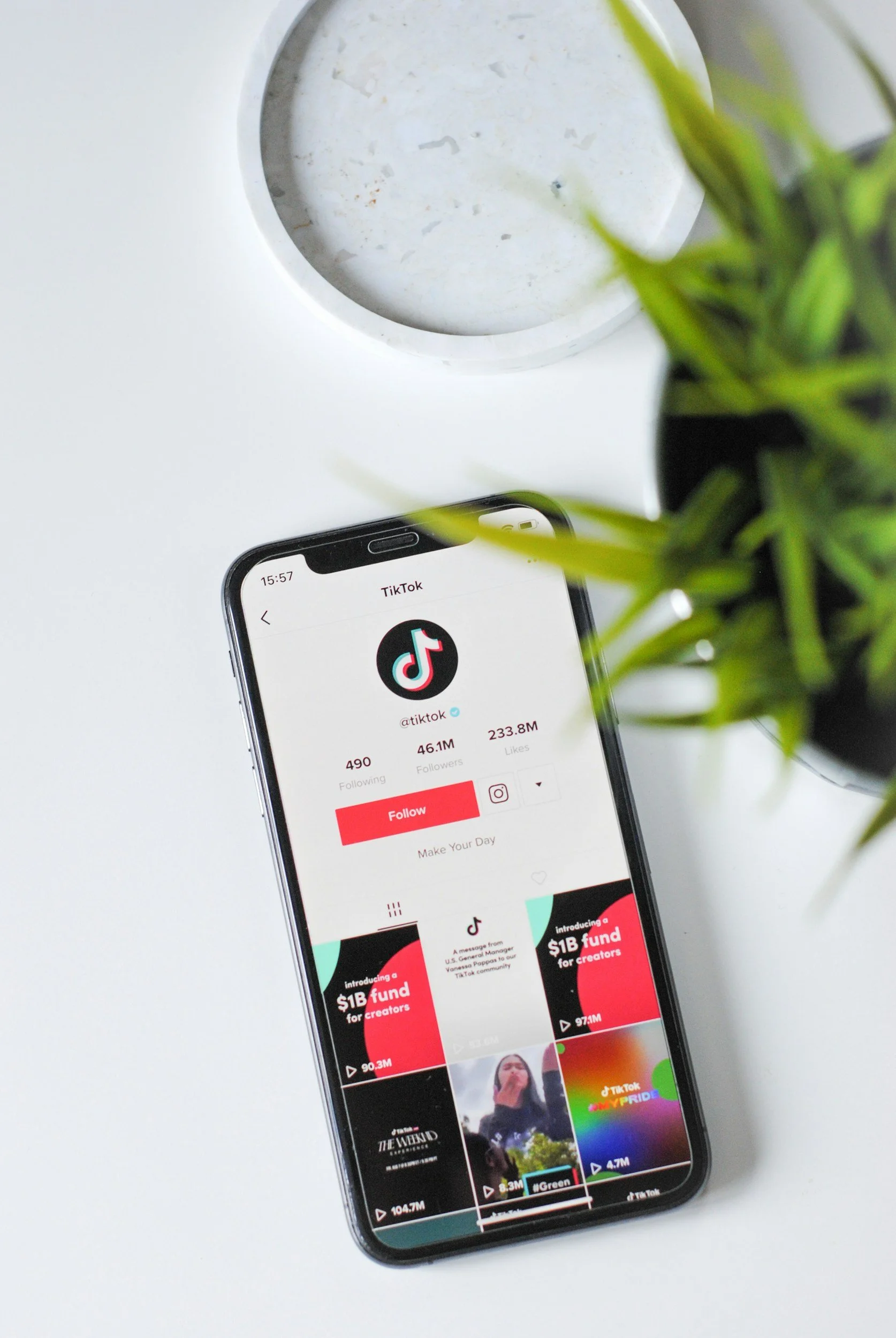
Misinformation in TikTok Therapy: What You Need to Know
With over 1 billion users, TikTok has become one of the most influential platforms for young people seeking mental health advice. Hashtags like #TherapyTok, #MentalHealthAwareness, and #HealingJourney are filled with quick tips, diagnoses, and self-help content — all delivered in bite-sized videos.
Some of it is relatable and empowering. But a growing portion is misleading, oversimplified, or outright harmful.
🎥 When 15 Seconds Becomes Therapy
With over 1 billion users, TikTok has become one of the most influential platforms for young people seeking mental health advice. Hashtags like #TherapyTok, #MentalHealthAwareness, and #HealingJourney are filled with quick tips, diagnoses, and self-help content — all delivered in bite-sized videos.
Some of it is relatable and empowering. But a growing portion is misleading, oversimplified, or outright harmful.
❝ TikTok can be a powerful tool — but it’s not therapy, and not every creator is qualified. ❞
— Dr. Jessi Gold, Psychiatrist & Social Media Researcher
📉 The Scope of the Problem
A 2023 study published in Health Communication analyzed popular TikTok videos tagged with #mentalhealth. The findings were sobering:
83% contained at least one piece of clinically inaccurate or misleading information
Only 9% of creators identified as licensed professionals
Content related to trauma, ADHD, and personality disorders had the highest rates of misrepresentation
And yet, many viewers trust these creators implicitly — sometimes more than actual therapists.
🧠 Why It Feels So Convincing
TikTok therapy appeals for good reasons:
It’s validating: People feel seen and understood
It’s accessible: No cost, no waiting, no office visit
It’s aesthetic: Calming music, visuals, and friendly faces
But this emotional resonance can blur the line between peer support and professional guidance.
📱 “Just because it’s relatable doesn’t mean it’s reliable.”
— Psychology Today, 2024
🚩 Red Flags in TikTok Mental Health Content
Here are common signs a video may be spreading misinformation:
⚠️ Red Flag Statement Why It’s Problematic
“If you do this, you definitely have ADHD” Mental health conditions require full assessment, not checklists
“I healed my trauma in 30 days” Oversimplifies complex, long-term work
“Therapists won’t tell you this” Promotes unnecessary distrust in professionals
“Use this one hack to cure anxiety” No single strategy works for everyone
🧩 Diagnosing via TikTok: A Dangerous Trend
The rise in self-diagnosis is one of the most concerning outcomes. While self-reflection is healthy, diagnosing oneself with BPD, CPTSD, autism, or ADHD based on a 60-second video can:
Lead to mislabeling and internalized stigma
Delay or replace real assessment and treatment
Create unnecessary panic or confusion
📊 According to a 2022 report in The Journal of Adolescent Health, teens who self-diagnosed via social media were less likely to seek formal evaluation and more likely to report worsening symptoms over time.
✅ What to Do Instead
For Clients:
Pause and reflect before internalizing a label
Ask: Is this creator qualified? Is this advice generic or personalized?
Bring TikTok content into therapy and discuss it with your provider
For Therapists:
Normalize the role of social media in your clients’ lives
Say: “Let’s talk about what you saw — what resonated and what confused you?”
Offer psychoeducation on how real diagnoses are made and why nuance matters
🌿 A Healthier Way to Use TherapyTok
💡 Social media can inspire curiosity — but therapy fosters clarity.
Here’s how to use TikTok mindfully:
Follow licensed professionals (check credentials)
Use content as a conversation starter, not a diagnosis
Balance screen time with self-reflection, journaling, or actual therapy sessions
💬 Final Thoughts
TikTok isn’t inherently bad — but it’s not therapy. While some creators share helpful, authentic stories, others promote oversimplified advice, harmful trends, or misinformation that hurts more than it heals.
If something you see online resonates, talk to a therapist. Mental health deserves more than algorithms — it deserves accuracy, depth, and human connection.

In the Realm of Hungry Ghosts: Addiction, Trauma, and the Search for Meaning
“The question is not why the addiction, but why the pain?” – Dr. Gabor Maté
If you’ve ever struggled with addiction — or love someone who does — you may know how painful and confusing it can be. Why do we keep reaching for things that hurt us? Why is it so hard to stop, even when we want to? Why do we feel so alone?
In his powerful book In the Realm of Hungry Ghosts, physician and trauma expert Dr. Gabor Maté helps us explore these questions with honesty and compassion. His message is simple but life-changing: Addiction is not a choice. It’s a response to pain.
“The question is not why the addiction, but why the pain?” – Dr. Gabor Maté
If you’ve ever struggled with addiction — or love someone who does — you may know how painful and confusing it can be. Why do we keep reaching for things that hurt us? Why is it so hard to stop, even when we want to? Why do we feel so alone?
In his powerful book In the Realm of Hungry Ghosts, physician and trauma expert Dr. Gabor Maté helps us explore these questions with honesty and compassion. His message is simple but life-changing: Addiction is not a choice. It’s a response to pain.
Who Are the Hungry Ghosts?
The title comes from Buddhist mythology, where “hungry ghosts” are spirits with empty bellies and tiny mouths — always craving, never satisfied. Dr. Maté uses this as a metaphor for addiction: not just to drugs or alcohol, but to work, food, gambling, shopping, or screens.
He writes from years of experience working with people who have lost everything — and also from his own struggles with compulsive behaviors. His stories are real, raw, and deeply human.
How Trauma Shapes Addiction
Addiction doesn’t just appear out of nowhere. Long before we reach for something to numb or escape, something inside us hurts. Addiction rarely appears in a vacuum. Long before the first drink, pill, or binge, there's often a history of dysregulation — a nervous system stuck in survival mode.
Developmental trauma, in particular, leaves a lasting imprint:
Maybe you grew up in a home where love felt unsafe or inconsistent. Neglect or inconsistent caregiving can interfere with emotional self-regulation. The child learns to numb, suppress, or dissociate rather than feel.
Maybe you learned early on to hide your feelings, stay quiet, or survive chaos. Chronic stress or abuse floods the developing brain with cortisol, impairing the function of the prefrontal cortex — the area responsible for impulse control, judgment, and long-term planning.
Maybe no one ever taught you how to soothe pain — so you found your own way to cope. Lack of secure attachment creates a blueprint for disconnection — both from others and from the self.
Dr. Maté explains that childhood trauma can change how the brain and body develop. The parts of us responsible for emotional balance, self-worth, and connection can become overwhelmed. Addiction often begins as a way to feel better — or at least, feel less.
Over time, these early adaptations become vulnerabilities. When faced with life stress later on, the nervous system reverts to old survival patterns — and substances or compulsive behaviors become a shortcut to temporary relief.
Maté emphasizes that addiction is not the first problem. It's the visible expression of wounds that often go back to childhood — wounds that were never witnessed, named, or tended to.
So if you’ve ever asked yourself, What’s wrong with me?, consider a new question:
What happened to me?
Why Shame and Punishment Don’t Heal
Many of us have been taught that addiction is a moral failing — that if we just had more willpower, or tried harder, we’d get better. But shame doesn’t heal pain. It deepens it.
Traditional treatment approaches — especially those rooted in shame, punishment, or abstinence-only frameworks — often ignore the role of trauma. They treat addiction as a choice to be corrected, rather than a symptom to be understood. Traditional approaches to addiction often focus on stopping the behavior without asking why it’s there. But that doesn’t work for most people, and here’s why:
Shame makes us hide — and isolation feeds addiction. Shame compounds pain: Many addicts already carry deep feelings of unworthiness. Punitive models reinforce this shame, driving the person further into isolation — and often, relapse.
Relapse gets treated like failure, when it’s really a message: something deeper still needs healing. Relapse is misunderstood: In trauma-informed care, relapse is not failure; it's feedback. It's a signal that emotional regulation strategies (often underdeveloped) are overwhelmed.
Rigid programs ignore real life, and don’t take into account the emotions, trauma, or nervous system patterns we carry with us. Rigidity ignores complexity: One-size-fits-all programs don’t account for the individual’s lived experience, cultural background, or nervous system capacity. What looks like “non-compliance” is often a trauma response.
You’re not “bad” because you struggle. You’re not weak. You’ve adapted to survive. That’s not a flaw — it’s a sign of your strength.
Maté argues that lasting healing does not come through control or compliance — it comes through understanding, relationship, and integration.
Why Compassion Is the Medicine
One of the most beautiful messages in In the Realm of Hungry Ghosts is this:
Healing begins with compassion.
At the heart of Maté’s work is this core truth: compassion is not a luxury in addiction treatment — it is a necessity.
That might feel strange — especially if you’ve spent years criticizing or blaming yourself. But compassion is what creates the conditions for change. Here's what compassion offers that judgment cannot:
It gives you emotional safety — the sense that you don’t have to hide or perform. Many individuals with addiction have never felt emotionally safe. Compassionate presence can regulate the nervous system and build trust, which is a precondition for deeper therapeutic work.
It reminds you that you’re not alone — and that there’s nothing shameful about needing support. Belonging; Shame isolates; compassion invites reconnection. As social beings, we heal in relationship. Therapists, counselors, and support systems play a crucial role in restoring that connection.
It encourages curiosity, not judgment. You start asking, What is this behavior trying to protect me from? What am I really needing right now? Curiosity over condemnation: Compassion encourages us to ask, What is this behavior trying to protect or soothe? This shift in perspective helps both clients and clinicians move from frustration to empathy.
Recovery isn’t just about stopping something. It’s about coming home to yourself — gently, gradually, and with kindness.
You Are Not Broken — You Are Human
Dr. Maté doesn’t sugarcoat addiction. It can destroy lives. But he also shows us that behind every addictive behavior is a person — someone trying to cope, survive, or feel okay in a world that may not have always been kind.
If you recognize yourself in these words — if you’re living with addiction, trauma, or even just a deep restlessness you can’t explain — know this:
✨ You are not broken.
✨ You are not weak.
✨ You are worthy of understanding, connection, and healing.
Maté models this in his own clinical practice — listening without agenda, creating space for stories to emerge without pressure. His approach resonates with trauma-informed modalities like Internal Family Systems (IFS), Somatic Experiencing, and Polyvagal Theory, all of which center safety, attunement, and compassion as catalysts for healing.
Final Thoughts
In the Realm of Hungry Ghosts is more than a book — it’s an invitation. To see yourself not through the lens of shame, but through the lens of truth, empathy, and possibility.
Because healing isn’t about becoming someone new.
It’s about remembering who you were — before the pain, before the hiding, before the hunger.
“Only when compassion is present will people allow themselves to see the truth.” – Gabor Maté

Know My Name: A Memoir for Every Survivor Who's Ever Felt Silenced
“To not be named is to not be known. To not be known is to not be seen.” — Chanel Miller
I had the pleasure of attending Arise, the Annual fundraiser for the YWCA, focused on gathering members of the Grand Rapids community and sharing their mission for healing. They hosted guest speaker, Chanel Miller. She is a brave, articulate, leader who shared parts of her journey during this event. Thankfully, I was encouraged to read her book prior to attending the event, and learned the details of her experience and her healing journey. I would encourage therapists, clients, parents, friends and community members to read her story and know her name.
If you are a survivor of sexual assault, Know My Name is a book that may feel like someone finally put your experience into words — the pain, the confusion, the injustice, the quiet strength it takes to survive day after day.
In her groundbreaking memoir, Chanel Miller tells the story of how she went from being “Emily Doe” — the anonymous woman in a high-profile assault case — to reclaiming her name, her voice, and her life. Her words don’t just speak to what happened to her. They speak to what it means to live through trauma — and keep living anyway.
This is not just a story of pain. It’s a story of resistance, healing, and reclaiming identity.
From Silence to Voice
For years, the world only knew her as a victim. The media focused on her attacker. Headlines repeated his name, his potential, his losses. Meanwhile, Chanel Miller stayed anonymous. Her story was told about her, but not by her.
That changes in Know My Name.
This memoir is her answer — not just to the courts, or the media, but to every person who’s ever been asked to stay quiet, to get over it, or to carry shame that doesn’t belong to them.
Chanel writes about the night of her assault with raw honesty. She writes about the broken legal system that re-traumatized her. And she writes about putting her life back together — piece by piece, word by word.
This Book Was Written for You
Whether you’re years into healing or just beginning to face what happened, Know My Name offers something powerful: recognition.
You may see yourself in her fear. In her disbelief. In the endless court delays. In the way people asked the wrong questions. In the way her identity was erased, edited, or doubted.
But you’ll also see her strength. Her humor. Her creativity. Her fire. You’ll see a survivor who refused to stay silent — and in doing so, helped others find their voice too.
What Trauma Really Feels Like — And What Healing Can Look Like
Chanel Miller doesn’t shy away from showing the full picture of trauma:
🌀 The confusion
🗣️ The silence
💤 The exhaustion
❓The constant second-guessing
💔 The heartbreak of not being believed
But she also shows how healing begins — sometimes in small, quiet moments:
Writing in a journal
Drawing something that speaks when words won’t
Feeling anger and allowing it, rather than suppressing it
Letting yourself be a full person — not just someone something happened to
Her story is proof that recovery isn’t a straight line. It’s a messy, courageous, deeply human process — and you don’t have to do it all at once.
Why Naming Matters
There’s a reason Chanel titled her book Know My Name. Reclaiming her name was an act of power.
So many survivors are made to feel invisible — referred to as “the victim,” reduced to a statistic, or pressured to stay anonymous. But being seen is part of healing. Naming yourself — even just to yourself — is a way of saying, I exist. I matter. I get to tell my own story.
You don’t have to go public like Chanel did. You don’t owe anyone that. But her story reminds us that our identities are ours to define, not something trauma gets to take away.
What This Book Gives You That the System Often Doesn’t
Too often, survivors are met with disbelief, blame, or silence. The legal system, schools, workplaces — even families — can get it painfully wrong. And when they do, it hurts all over again.
Chanel’s story shows what that kind of systemic re-traumatization looks like: the invasive questions, the lack of control, the endless waiting, the reduced humanity. But it also offers a way through.
What you may not get from a courtroom or an institution, you can find in this book:
Validation: Your story is real. Your pain is real.
Recognition: You are not alone in this.
Empowerment: You are more than what happened to you.
You Are More Than a Victim
Chanel is not just a survivor. She’s a writer, an artist, a sister, a friend, a thinker, a woman who laughs and makes jokes and creates beautiful things. This is a powerful reminder:
You are not defined by your trauma.
You are whole — even when you don’t feel like it. You are allowed joy, creativity, love, rage, softness, and strength.
Chanel’s story invites us to remember who we are, not just what we’ve endured.
Why Know My Name Stays With You
This is not an easy book, but it is an important one. It helps you feel seen — in all your complexity. It doesn’t wrap things up with false hope or quick fixes. Instead, it offers truth — and the reminder that healing is possible, even if it’s slow. Even if it doesn’t look like what you thought it would.
It’s a book that says:
You don’t have to be silent.
You don’t have to carry shame.
You don’t have to heal on anyone else’s timeline.
Final Thoughts
Know My Name is more than a memoir — it’s a companion for survivors who are trying to put words to what they’ve lived through. Chanel Miller helps break the silence — not just for herself, but for anyone who’s ever felt invisible, unheard, or unworthy of justice.
If you're ready, let her story walk beside yours. Not to tell you how to heal, but to remind you that you can.
And maybe that you already are.
How Social Media Can Affect Body Image: Understanding Exposure to Pro-Eating Disorder Content
"Have you ever caught yourself scrolling through social media and suddenly feeling worse about your body? You’re not alone — and it’s not your fault. Let’s talk about how certain content online can secretly shape the way you see yourself — and what you can do to take back your power."
"Have you ever caught yourself scrolling through social media and suddenly feeling worse about your body? You’re not alone — and it’s not your fault. Let’s talk about how certain content online can secretly shape the way you see yourself — and what you can do to take back your power."
In today’s world, it’s nearly impossible to imagine life without social media. TikTok, Instagram, Snapchat, and other platforms allow teens and adolescents to connect, share, and learn in amazing ways. But with all the good also comes a real concern: exposure to harmful content, especially content that promotes eating disorders.
If you or someone you know has ever scrolled past images or videos glamorizing extreme thinness, strict dieting, or "tips" for dangerous eating behaviors, you are not alone. It's important to talk about how these messages can affect mental health—and more importantly, how to protect yourself and your well-being.
What Is Pro-Eating Disorder Content?
Pro-eating disorder (or “pro-ED”) content refers to posts, videos, or communities that encourage, promote, or normalize disordered eating behaviors. This can include:
"Thinspiration" or "fitspiration" images that idolize very thin or hyper-fit bodies
Posts sharing harmful tips on how to eat less or hide disordered eating
Communities that romanticize eating disorders as a "lifestyle" rather than a serious mental health condition
Sadly, this type of content is easier to find than many people realize. Some posts are openly pro-ED, while others are more subtle, slipping under hashtags like #bodygoals or #healthylifestyle.
How Exposure Affects Teens and Adolescents
Research consistently shows that social media use is linked to body dissatisfaction, disordered eating, and negative mental health outcomes among young people.
A major review published in Current Opinion in Psychology (Rodgers et al., 2020) found that social media exposure, especially appearance-focused content, increases the risk of internalizing thin ideals and body dissatisfaction, both of which are strong risk factors for the development of eating disorders.
Another study (Fardouly et al., 2015) found that even brief exposure to idealized images can make teens feel worse about their own bodies within minutes.
The truth is: during adolescence, the brain is still developing the skills to critically evaluate information. This means social media can have an even stronger emotional impact—both positive and negative—during this important time of growth.
Why Does This Happen?
Social media is uniquely powerful because of:
Comparison Culture: Platforms often highlight only the "best" parts of people's lives or appearances, leading to constant comparisons.
Algorithms: Social media sites often show more of what you interact with—meaning one click on a fitness or diet post can lead to a flood of similar (and sometimes extreme) content.
Peer Influence: Seeing friends or influencers promote certain body types or diet behaviors can make them seem more "normal" or even aspirational.
Understanding these forces can help you realize: It's not you. It's the system.
What You Can Do to Protect Your Mental Health
First, know that it's okay to love social media while also being mindful about how you use it. Here are some evidence-based ways to keep your relationship with social media healthy:
1. Curate Your Feed
Follow accounts that make you feel empowered, inspired, and happy—whether that’s art, music, mental health, or body-positive creators. Unfollow or mute accounts that make you feel bad about yourself.
Studies show that exposure to body-positive content (messages that celebrate body diversity) can actually improve mood and body satisfaction (Cohen et al., 2019).
2. Practice Critical Thinking
Ask questions like:
Who created this post, and why?
Is this a realistic or healthy portrayal of life?
How does this make me feel?
Building media literacy is a skill that strengthens over time—and it gives you the power to see through harmful messages.
3. Talk About It
If you ever feel overwhelmed, isolated, or pressured by what you see online, reach out to someone you trust—a parent, counselor, or friend. You are never alone, and talking about it can take a lot of weight off your shoulders.
4. Take Breaks
It's okay to step away from social media sometimes. Even short breaks can improve mood, reduce anxiety, and help you reconnect with what’s real and meaningful.
Final Thoughts
Your body is not a trend. Neither is your worth.
Social media can be a place for connection, creativity, and support—but it’s important to stay mindful of the messages you’re absorbing. You have the right to protect your mental health and nurture a positive relationship with your body, just as it is.
If you're struggling or feeling triggered, know that help is available. Reaching out is a sign of strength, not weakness.
You deserve to live a life full of joy, health, and self-acceptance—both online and off.
References:
Rodgers, R. F., Donovan, E., Cousineau, T., Yates, K., McGowan, K., Cook, E., & Lukowicz, M. (2020). Instagram use and young women's body image concerns and self-objectification: Testing mediational pathways. Current Opinion in Psychology, 36, 7–13.
Fardouly, J., Diedrichs, P. C., Vartanian, L. R., & Halliwell, E. (2015). Social comparisons on social media: The impact of Facebook on young women's body image concerns and mood. Body Image, 13, 38–45.
Cohen, R., Newton-John, T., & Slater, A. (2019). The relationship between Facebook and Instagram appearance-focused activities and body image concerns in young women. Body Image, 29, 65–74.

Feeling Overwhelmed? Let’s Talk About School Stress, Social Media, and Your Mental Health
Ever feel like you’re juggling a million things—homework, exams, extracurriculars—while also trying to keep up with the highlight reel of everyone else’s life on social media? Yeah, you’re not alone.
Let’s be real: school stress + social media comparison = a lot for anyone to handle. And when that pressure builds up, it can take a toll on your mental health—leading to anxiety, self-doubt, and even depression.
But here’s the good news: you’re not stuck feeling this way forever. Let’s break it down, figure out what’s really going on, and talk about ways to take back control.
Ever feel like you’re juggling a million things—homework, exams, extracurriculars—while also trying to keep up with the highlight reel of everyone else’s life on social media? Yeah, you’re not alone.
Let’s be real: school stress + social media comparison = a lot for anyone to handle. And when that pressure builds up, it can take a toll on your mental health—leading to anxiety, self-doubt, and even depression.
But here’s the good news: you’re not stuck feeling this way forever. Let’s break it down, figure out what’s really going on, and talk about ways to take back control.
How School Stress Messes With Your Mind
📚 Quick check-in: On a scale of “I’ve totally got this” to “I might cry into my textbook”, how are you feeling about school right now?
If you’re closer to the second option, you’re not alone. Academic pressure is one of the biggest sources of stress for teens today.
The pressure to:
✅ Get top grades
✅ Take AP/honors classes
✅ Crush standardized tests
✅ Be involved in everything
✅ Plan your future before you even graduate
… is A LOT. And it’s exhausting.
💡 Did you know? A study in Frontiers in Psychology (Pascoe et al., 2020) found that school stress spikes cortisol levels (your body’s stress hormone), which can lead to trouble sleeping, mood swings, and burnout.
And when we start tying our self-worth to grades, every test feels like life or death. (Spoiler: It’s not. One grade doesn’t define you.)
The Social Media Trap: Why We Compare (and Why It’s Unfair)
📱 Be honest: Have you ever scrolled through Instagram, TikTok, or Snapchat and thought:
👉 Why does everyone else have their life together?
👉 Why is their skin so clear?
👉 Why is my life so boring in comparison?
Yeah. Us too.
Here’s the thing: social media is a highlight reel. People post the best angles, the best lighting, and the most exciting moments—not the bad days, the stress, or the self-doubt.
📊 The facts: A study in the Journal of Adolescence (Nesi & Prinstein, 2019) found that comparing yourself to others online is directly linked to higher rates of depression and anxiety. Why? Because it tricks our brains into thinking we’re “falling behind” when, in reality, we’re all just figuring things out.
Try this: Next time you catch yourself comparing, ask:
💭 Would I compare myself to this person if I knew their full story—bad days and all?
💭 Does seeing this make me feel good, inspired, or happy? Or just stressed and insecure?
If it’s the latter, it might be time to hit unfollow (or at least take a break).
Okay, But How Do We Deal With All This?
Here are some real ways to start feeling better:
🌿 1. Reframe Your Goals
Instead of aiming for perfection, try aiming for progress. Research shows that setting small, achievable goals reduces stress and improves mental health. (So maybe you don’t need to get a perfect score—maybe just doing your best is enough!)
📵 2. Take a Social Media Detox (Even Just a Little One)
A 2018 study in the Journal of Social and Clinical Psychology found that cutting down social media use by just 30 minutes a day led to lower anxiety and depression. Start small: Try no scrolling before bed or a social media-free Sunday.
💛 3. Be Kinder to Yourself
Would you ever talk to your best friend the way you talk to yourself? Probably not. Studies show that practicing self-compassion can actually rewire your brain to handle stress better (Neff, 2009). Try swapping out self-criticism for self-kindness.
🗣 4. Talk to Someone
Whether it’s a friend, a family member, or a counselor, talking helps. You don’t have to go through this alone. If things feel heavy, reaching out is one of the strongest things you can do.
Final Thought: You Are More Than Your Grades or Your Feed
Let’s get one thing straight: you are enough, just as you are.
Not because of your grades.
Not because of how you look online.
Just because you exist, and that is enough.
The pressure will always be there, but that doesn’t mean you have to carry it all by yourself. One step at a time—you’ve got this. 💛

Feeling Connected but Alone? Let’s Talk About Social Media's Double-Edged Sword
You might’ve noticed something weird about social media:
You can have 500 friends, 1,000 followers, and still feel like no one really gets you when you’re going through a tough time.
If that sounds familiar, you're not imagining things — and you're definitely not alone.
Today, let's break down how social media can make us feel more connected and less supported all at once, and what you can do to make it a healthier space for yourself.
You might’ve noticed something weird about social media:
You can have 500 friends, 1,000 followers, and still feel like no one really gets you when you’re going through a tough time.
If that sounds familiar, you're not imagining things — and you're definitely not alone.
Today, let's break down how social media can make us feel more connected and less supported all at once, and what you can do to make it a healthier space for yourself.
The Good Part: Connection at Your Fingertips
Think about it:
A funny meme from a friend halfway across the world? Instant laughter.
A supportive DM after you post something real? Instant boost.
Finding people who share your passions, your struggles, your weird sense of humor? Magic.
Research Check: A study published in Journal of Adolescence (Best, Manktelow, & Taylor, 2014) found that social media can enhance feelings of belonging and self-esteem, especially when interactions are positive and authentic.
Mini Prompt:
👉 Who’s one person you’ve met through social media that made your day better?
(If you’re thinking of someone right now, maybe send them a quick “thank you” message! 🧡)
The Hard Part: Feeling Alone When It Matters Most
But here’s the flip side nobody talks about enough:
When life gets messy — stress, heartbreak, anxiety, depression — posting a photo or a Story doesn't always lead to real help. Sometimes it just feels... hollow.
Research Reality: According to a 2020 study in Cyberpsychology, Behavior, and Social Networking (Frison & Eggermont), while teens who used social media for entertainment felt more positive, those who sought emotional support online often ended up feeling worse if that support didn’t meet their expectations.
Why?
People scroll fast — and deep emotions get skipped.
Likes and comments aren’t the same as real conversations.
It's hard to ask for serious help in a space built for quick reactions.
Quick Reflection:
👉 Think of the last time you posted something vulnerable.
Did you feel better after?
Did you get the kind of support you hoped for?
It’s okay if the answer is complicated.
Why It's So Confusing
Your brain actually rewards online connection! Every like, comment, or DM can trigger dopamine — the “feel-good” chemical.
BUT emotional needs (like being truly heard, validated, or helped) often require more than a double-tap or fire emoji.
In other words:
Social media is awesome for surface-level connection, but it struggles with deep-level support.
So What Can We Do?
You don’t have to quit social media or throw your phone into a river (though we get the temptation sometimes 😆).
You just need to use it on your terms.
Here’s how:
1. Know What You’re Looking For
Before you post, ask yourself:
“Am I looking for quick encouragement or real conversation?”
“Who could I reach out to directly instead of posting publicly?”
If you need real talk, texting or calling someone might be way more satisfying.
2. Create Your Circle
Not everyone on your feed deserves access to your real feelings.
Find your 3-5 people who:
Actually listen
Don’t rush to “fix” everything
Make you feel seen and safe
Hint: They might not even be online friends!
3. Set "Connection Goals" — Not Follower Goals
Instead of chasing more likes or followers, try:
One meaningful convo a week.
One compliment you mean, sent to someone else.
One moment you share privately instead of publicly.
Quality > Quantity. Every time.
Final Reminder: You Deserve Real Support
Here’s the truth no app can replace:
You deserve support that goes deeper than DMs and Stories. You deserve to feel heard, understood, and valued — not just reacted to.
✨ Real connection might take more time and courage — but it’s worth it. ✨
And you’re already brave for even thinking about it.
References:
Best, P., Manktelow, R., & Taylor, B. (2014). Online communication, social media and adolescent wellbeing: A systematic narrative review. Journal of Adolescence.
Frison, E., & Eggermont, S. (2020). Toward an integrated and differential approach to the relationships between loneliness, different types of Facebook use, and adolescents’ depressed mood. Cyberpsychology, Behavior, and Social Networking.

Bold Move: How to Stop Avoiding and Start Living
Have you ever found yourself stuck—not because you don’t know what to do, but because fear, doubt, or overwhelm is keeping you frozen? In her powerful book Bold Move, Harvard psychologist Dr. Luana Marques offers a science-backed, compassionate roadmap for moving through fear and into the life you actually want to live.
This post explores the most transformative ideas from Bold Move, with practical insights and research-backed tools to help you take action, even when it feels uncomfortable.
Inspired by Luana Marques, Ph.D.
“Fear is loud, but courage doesn’t have to shout.”
Have you ever found yourself stuck—not because you don’t know what to do, but because fear, doubt, or overwhelm is keeping you frozen? In her powerful book Bold Move, Harvard psychologist Dr. Luana Marques offers a science-backed, compassionate roadmap for moving through fear and into the life you actually want to live.
This post explores the most transformative ideas from Bold Move, with practical insights and research-backed tools to help you take action, even when it feels uncomfortable.
🚧 Avoidance Feels Safe—But It’s a Trap
Dr. Marques introduces us to a pattern that many of us know intimately: psychological avoidance. That’s when we avoid things that make us anxious or uncomfortable—whether it’s difficult conversations, new challenges, or facing old pain.
The short-term relief feels good… but over time, this avoidance becomes a trap. It shrinks our world. It makes us anxious about being anxious. And it blocks us from growing.
“Avoidance is like sugar: it gives you a quick hit of relief, but too much of it makes your life smaller.”
— Luana Marques, Ph.D.
🧠 The Science Behind Stuckness
Bold Move is rooted in cognitive behavioral therapy (CBT) and exposure-based techniques—approaches with decades of research behind them. Dr. Marques helps readers understand how the brain naturally wants to avoid discomfort—and how we can retrain it, gently and effectively.
Key idea:
Anxiety isn’t the enemy—avoidance is.
When we face fear in small, intentional ways, our brains learn that we can survive it. That’s how resilience grows.
🚶♀️ The Three Steps to Making a Bold Move
Dr. Marques lays out a clear, repeatable process to help people step out of avoidance and into bold, values-based action. Here's a breakdown:
1. Get Unstuck
This step is all about noticing how fear is running the show. Are you avoiding because you're trying to stay safe—or because you're trying to stay small?
“Your thoughts are real, but that doesn’t mean they’re true.”
Using CBT techniques, Dr. Marques helps you spot thinking traps like catastrophizing, all-or-nothing thinking, and self-doubt spirals. Naming these patterns is the first step to changing them.
2. Own Your Values
Next, she encourages you to reconnect with your values—the things that truly matter to you.
What kind of person do you want to be?
What gives your life meaning?
What would you do if fear weren’t in the driver’s seat?
When your actions are tied to your values, they gain purpose—and that purpose fuels courage.
3. Make a Bold Move
This doesn’t mean skydiving or quitting your job tomorrow. A bold move is anything that challenges your avoidance and moves you one step closer to your values.
It could be:
Speaking up in a meeting.
Booking that first therapy session.
Saying "yes" to something new—or saying "no" to something that’s draining you.
Bold moves are rarely loud or flashy. They’re usually quiet, small, and deeply meaningful.
❤️ What Makes This Book Special?
Compassionate science: Dr. Marques blends hard research with soft empathy. You feel seen and supported—not judged.
Trauma-aware: She acknowledges how past experiences shape fear responses and teaches tools to build safety and capacity for change.
Bilingual brain framework: A unique metaphor she uses to describe the two voices in your mind—the anxious one and the wise one. Learning to listen to the wise voice is at the heart of making bold moves.
✨ Real Change Happens in Small Steps
If fear has kept you stuck—whether it’s anxiety, self-doubt, past pain, or perfectionism—Bold Move offers more than inspiration. It’s a manual for reclaiming your agency, one intentional step at a time.
“Courage isn’t the absence of fear. It’s feeling the fear—and doing the thing anyway.”
You don’t have to wait until you feel “ready.” You just need to be willing to begin.
💬 If This Resonated with You…
Therapy is one of the most powerful bold moves you can make. You don’t have to figure this out alone. If you're ready to stop avoiding and start living a life that feels more like you, we're here to walk with you—step by bold step.

💗 Come As You Are: The Science of Women's Sexual Well-Being
“You are normal.”
That’s the message at the heart of Come As You Are: Revised and Updated, the groundbreaking book by Dr. Emily Nagoski—a health educator, researcher, and one of the most compassionate voices in modern sex science.
In a world filled with confusing messages about what sex "should" look like—especially for women—this book offers something radical: truth, science, and permission to be fully yourself.
This post is your guide to the most powerful ideas in Come As You Are, with a focus on understanding how your brain, body, and emotions work together to shape sexual wellness.
Inspired by Emily Nagoski, Ph.D.
“You are normal.”
That’s the message at the heart of Come As You Are: Revised and Updated, the groundbreaking book by Dr. Emily Nagoski—a health educator, researcher, and one of the most compassionate voices in modern sex science.
In a world filled with confusing messages about what sex "should" look like—especially for women—this book offers something radical: truth, science, and permission to be fully yourself.
This post is your guide to the most powerful ideas in Come As You Are, with a focus on understanding how your brain, body, and emotions work together to shape sexual wellness.
🔍 The Core Message: You're Not Broken
Many people come to therapy or pick up books like this one because they feel something is "off." They’re not in the mood like they used to be. They’re comparing themselves to movies or partners or social media posts. They’re wondering: Is something wrong with me?
Dr. Nagoski’s answer is clear: No. You're not broken.
You’re likely just missing the right information.
🧠 The Dual Control Model: Brakes and Accelerators
One of the most game-changing ideas in the book is the Dual Control Model of sexuality. Think of your sexual response as a car:
Accelerators: These are the things that turn you on—romantic touch, a certain tone of voice, a memory, feeling emotionally safe.
Brakes: These are the things that shut desire down—stress, body image worries, fear, trauma, performance pressure.
Sexual desire isn’t about having a “high” or “low” libido. It’s about what’s turning the accelerator up—and what’s slamming on the brakes.
“Desire isn’t something you have—it’s something your brain does.”
— Emily Nagoski, Ph.D.
Understanding your brakes is just as important (if not more) than focusing on what’s supposed to turn you on.
💡 Responsive vs. Spontaneous Desire
Another life-changing idea from the book: not everyone feels desire the same way.
Spontaneous desire: You feel aroused “out of nowhere,” like a light switch.
Responsive desire: You feel desire after physical or emotional closeness starts. It builds, like a campfire.
Most people with vulvas experience responsive desire. But our culture often portrays spontaneous desire as the "normal" or ideal version.
If you’ve ever felt broken because you didn’t want sex until you were already kissing or cuddling—you’re actually very normal. And knowing this can change everything.
🌸 Context is Everything
Sexuality doesn’t exist in a vacuum—it’s shaped by context. That includes:
Your relationship dynamics
Stress levels
Sense of safety
Past experiences
Your emotional connection to your partner
What’s going on in your brain that day
If something isn’t working, Dr. Nagoski urges readers to ask not “What’s wrong with me?” but rather, “What’s happening around me that’s influencing how I feel?”
🫶 Pleasure is the Measure
One of the most powerful reframes in Come As You Are is this:
The goal of sex isn’t orgasm. The goal is pleasure.
When we let go of pressure, comparison, and performance, we make space for connection. Dr. Nagoski reminds us that good sex is less about what your body does, and more about how your experience feels—emotionally, physically, relationally.
This perspective is especially freeing for people healing from shame, trauma, or unrealistic cultural standards.
📚 What Makes This Book So Valuable?
Research-backed: Dr. Nagoski weaves peer-reviewed studies into real-life stories, making the science approachable and empowering.
Inclusive: While focused on cisgender women, the principles apply to anyone who wants to better understand their sexuality—especially those in marginalized or misunderstood groups.
Compassionate: Her tone is never judgmental. It’s warm, human, and deeply validating.
🧘♀️ If You’re Struggling with Sexual Concerns…
Whether you’re feeling disconnected from your body, dealing with pain, stress, trauma, or low desire—this book offers tools, not blame. And as therapists, we echo Dr. Nagoski’s message:
Sexual well-being is a part of your mental health. And you deserve support.
💬 Final Words
“Pleasure is the measure. Not how often you have sex. Not whether you orgasm. Not how many positions or toys you use. Pleasure.”
— Come As You Are, Emily Nagoski
Your sexuality is unique. Your story is valid. And your body is worthy of love, compassion, and pleasure—exactly as you are.
Want to explore more?
Our counselors are here to help you reconnect with your body, your story, and your sense of self. If you’re curious about how therapy can support your sexual well-being, we invite you to reach out.
🚩 Dangerous Personalities: How to Spot Them Before They Hurt You
Have you ever met someone who made you feel drained, anxious, or even unsafe—but you couldn’t quite put your finger on why? Former FBI agent and behavioral expert Joe Navarro wrote Dangerous Personalities to help everyday people recognize the warning signs of harmful behavior, long before things get out of hand.
Inspired by Joe Navarro’s book, “Dangerous Personalities”
“They seemed so charming at first…”
Maybe it started with butterflies. Maybe it started with trust. But somewhere along the way, things shifted. You began to feel drained, second-guessed, or even unsafe—and yet, you couldn't explain why. That confusion? It's not just in your head.
In his powerful book Dangerous Personalities, former FBI profiler Joe Navarro pulls back the curtain on the subtle signs of harmful behavior. His goal? To help people like you recognize the traits that can lead to emotional, psychological, or physical harm—long before it’s too late.
This post is your guide to the four personality types that Navarro identifies as most dangerous—and what you can do if you find yourself in their orbit.
🔍 Who Are These "Dangerous Personalities"?
It’s important to know: this isn’t about diagnosing people or labeling everyone with flaws as toxic. We all have our moments. What makes a personality dangerous is when the harm they cause is consistent, manipulative, and deeply felt by those around them—and they either don’t notice or don’t care.
Navarro identifies four of the most harmful personality types we might encounter in life. You might recognize them in a romantic partner, family member, boss, or even a friend.
💔 1. The Narcissist
"It’s all about them—until it hurts you."
What they’re like: At first, they can seem magnetic and confident. But underneath, there’s a deep need for admiration—and a total disregard for your feelings.
How they hurt you: They gaslight, guilt-trip, and put their needs far above yours. You’ll often feel small, unworthy, or like you’re never doing enough.
Red flags: They don’t apologize. They react poorly to criticism. They make you doubt your reality.
Why it matters: Narcissists often charm you before they disarm you. Learning to set boundaries early can protect your self-esteem and peace of mind.
🌪 2. The Emotionally Unstable Personality
"You never know what you’re going to get—and that keeps you stuck."
What they’re like: Emotionally intense, quick to anger, impulsive. One moment they love you, the next they lash out.
How they hurt you: You walk on eggshells, trying not to trigger an explosion. You may even start blaming yourself.
Red flags: Wild mood swings, threats of self-harm or violence, and extreme reactions to small issues.
Why it matters: Their instability creates chaos—and often, trauma. Recognizing this early helps you avoid getting caught in their emotional roller coaster.
🕵️ 3. The Paranoid Personality
"They see threats everywhere—even in you."
What they’re like: Suspicious, rigid, and constantly on guard. They often believe others are out to get them.
How they hurt you: You feel accused, interrogated, or distrusted. Their worldview makes intimacy impossible.
Red flags: They twist your words, search for hidden meanings, and hold long, bitter grudges.
Why it matters: This isn’t just “being cautious.” Paranoid personalities can become controlling and abusive under the guise of “protection.”
🧊 4. The Predator
"They don’t feel guilt—and they know how to fake everything else."
What they’re like: Calculated, charming, and often successful. But underneath the mask? Cold manipulation.
How they hurt you: They use, lie, and take—without a shred of remorse.
Red flags: Too-good-to-be-true stories, boundary-pushing, calculated charm, and emotional detachment.
Why it matters: Predators often target empathic people. They thrive on control. But when you learn their patterns, you stop being a target.
🚦 So… What Do You Do If You Spot One?
You don’t need to confront, diagnose, or “fix” a dangerous personality. That’s not your job. Your job is to protect you.
🛡 Try This:
📖 Educate yourself: Knowledge is power. The more you understand, the easier it is to see the signs.
🧘♀️ Trust your gut: If someone repeatedly makes you feel unsafe, small, or confused—it matters.
📝 Track what you experience: Journaling helps make patterns visible.
💬 Talk to someone: A therapist can help you untangle your feelings, build boundaries, and find clarity.
🚪 Walk away if needed: Protecting your mental and emotional health is never selfish—it’s essential.
💬 Final Thought: You Deserve to Feel Safe and Seen
If you’ve ever questioned your reality around someone…
If you’ve ever felt powerless, confused, or afraid to speak up…
If you’ve stayed in a relationship that hurt you longer than you wanted to…
You are not alone.
And you are not weak.
You are human—and healing starts when we begin to name what we’ve experienced.
Joe Navarro’s book offers a roadmap for recognizing dangerous people—but more importantly, it’s a tool for reclaiming your power, your boundaries, and your self-worth.
You’re not crazy. You’re not overreacting. You’re noticing. And that’s the first step toward healing.
If you’re navigating a relationship like this, our counselors are here to help. You don’t have to figure it all out on your own.

🧠 Seven and a Half Lessons About the Brain
“Your brain is not for thinking. It’s for surviving.”
— Dr. Lisa Feldman Barrett
What Every Client (and Clinician) Can Learn from Dr. Lisa Feldman Barrett
“Your brain is not for thinking. It’s for surviving.”
— Dr. Lisa Feldman Barrett
Dr. Lisa Feldman Barrett, a renowned neuroscientist and professor of psychology, offers a slim yet mighty volume in Seven and a Half Lessons About the Brain. Written with elegance, clarity, and intellectual rigor, this book distills complex neuroscience into powerful insights about how our brains—and our lives—actually work.
1. 🧬 You Have One Brain (Not Three)
Myth Busted: The “triune brain” model—reptilian, limbic, and rational layers—is outdated.
Barrett dismantles the popular (but inaccurate) idea that our brain is stacked like evolutionary sediment. Instead, the brain is a networked, dynamic, and highly integrated organ where even emotions and logic are co-constructed, not compartmentalized.
🧠 Clinical Insight:
Therapy can move beyond “left-brain vs. right-brain” language. Emotions are not primitive outbursts—they are meaning-making experiences, crafted by context, past learning, and current physiological state.
2. 🔁 Your Brain Is a Network
Rather than operating in modules, the brain functions via complex, dynamic connectivity. No one part is solely responsible for a particular task—brain areas collaborate, repurpose, and shift based on need.
🧠 Therapeutic Relevance:
There’s no single “anxiety center” to “turn off.” Anxiety is constructed across the network.
This helps destigmatize clients’ symptoms—what they’re experiencing is not “broken wiring” but adaptive predictions gone awry.
3. ⚡ Little Brains Wire Themselves to Their World
A child’s brain builds itself through experience. Brains are born unfinished; they depend on caregiving, culture, and context to shape their neural architecture.
“You are partly the product of everyone you’ve ever met.”
🧠 Practical Implication:
Early relationships matter deeply—but neuroplasticity continues into adulthood. Safe, attuned therapeutic relationships can literally reshape neural pathways.
4. 💡 Your Brain Predicts (Almost) Everything You Do
Perhaps Barrett’s most revolutionary lesson: your brain is a prediction engine, not a passive observer. It anticipates your sensory input and body needs before they occur.
🧠 Application in Therapy:
Emotions are predictions, not reactions.
We can train the brain to update outdated predictions, especially through repeated safe, corrective experiences.
Mindfulness, cognitive reframing, and interoceptive awareness help clients learn how to pause, reflect, and rewire.
5. 🧘 Your Brain Secretly Works With Other Brains
Brains are social organs. They regulate each other through co-regulation—voice tone, facial expression, and presence literally shape the nervous systems of those around us.
“We can be each other’s ‘external nervous systems.’”
🧠 Clinical Pearl:
Therapeutic presence is a form of brain-to-brain regulation.
This validates somatic therapies, EMDR, polyvagal-informed work, and trauma-sensitive approaches that focus on relational safety—not just insight.
6. 💵 Brains Make More Than One Kind of Budget
Barrett introduces the concept of the “body budget”—your brain’s management system for energy, resources, and metabolic needs. Emotions often arise when your budget is strained.
🧠 Tools for Practice:
Encourage clients to track physical inputs—sleep, hydration, nutrition, movement—when assessing mood or anxiety.
Teach self-regulation skills: breathwork, grounding, scheduling breaks, body scanning.
Self-care is not indulgent; it’s neural hygiene.
7. 🧭 Our Brains Can Create Reality (and Undo It)
Brains don’t just sense the world—they construct it. What we see, feel, and believe is filtered through predictions shaped by our past. This means we can unlearn, reframe, and reconstruct.
🧠 Empowering Insight:
People are not “stuck” with their perceptions or emotions.
Change is possible through new experiences, new language, and repeated practice.
7½. ✨ You Are Not at the Mercy of Your Brain
The “half lesson” is perhaps the most profound: you have agency. The brain is plastic, responsive, and changeable. By learning how it works, we can change how we live.
“You are an architect of your own experience.”
🛠️ Tools for Clients Inspired by This Book:
Tool Description Why It Works
Emotion Naming Label your emotional state with precision. Helps refine predictions and regulate experience
Body Budget Tracker Monitor sleep, nutrition, movement & connection Supports emotional stability and cognitive
Mindful Interrupts. Pause and name what you’re sensing/feeling. Builds interoceptive awareness, allows prediction
Safe Relating Seek relationships that feel warm, consistent, safe Regulates nervous system, builds new models
Psychoeducation Learn how emotions are constructed Increases agency and self-compassion
🌱 Final Thoughts
Dr. Lisa Feldman Barrett’s Seven and a Half Lessons About the Brain is more than a primer on neuroscience—it’s a call to rethink how we live, relate, and heal. By understanding the brain as predictive, social, and endlessly adaptable, we open new doors in therapy, education, and everyday life.
Whether you’re a clinician, client, or curious mind, this book reminds us that we are not passive recipients of our reality—we are participants in creating it.

Your Brain Predicts Your Reality
“Your brain doesn’t react to the world—it predicts it.”
— Dr. Lisa Feldman Barrett
A Clinical Reflection on Dr. Lisa Feldman Barrett’s Conversation with Steven Bartlett
“Your brain doesn’t react to the world—it predicts it.”
— Dr. Lisa Feldman Barrett
In this groundbreaking episode of The Diary of a CEO, Dr. Lisa Feldman Barrett, a neuroscientist and professor of psychology at Northeastern University, invites us to rethink how we experience emotions, navigate anxiety, and relate to our mental health. Her research, rooted in neuroscience and affective science, offers a radical departure from the classical model of emotions—and gives us tools that empower personal and clinical transformation.
🔍 The Predictive Brain: How We Actually "Feel"
Dr. Barrett’s theory of constructed emotion asserts that the brain is not passively observing the world but constantly predicting what’s coming next—based on past experiences and internal physiological states. These predictions shape how we feel, interpret, and respond.
Insight: Emotions aren't hardwired reactions—they're constructed interpretations. This means we can learn to change how we feel by changing how we interpret what's happening.
😰 Rethinking Anxiety: A Misfired Prediction
In Barrett’s view, anxiety isn't just an overreaction—it’s often a prediction error. The brain prepares for a threat that doesn’t exist (or is misjudged), triggering a mismatch between what’s predicted and what’s real.
🔧 Tools to Address Anxiety:
Interoceptive Awareness
→ Practice tuning into physical sensations (heart rate, breath, tension). Label what you’re feeling. This builds awareness and gives your brain more accurate data to update its predictions.Affect Labeling (Name It to Tame It)
→ Research shows that naming emotional states (e.g., “I feel overwhelmed”) activates the prefrontal cortex and helps regulate the amygdala (Lieberman et al., 2007).
→ Tip: Use granular language—“irritated” vs. “mad,” “nervous anticipation” vs. “anxiety.”Recontextualization
→ Instead of interpreting increased heart rate as “panic,” consider: “My body is energizing to help me.” This small mental shift reframes the experience from fear to readiness or excitement.
🧬 The “Body Budget”: Why Self-Care is Clinical Care
Barrett uses the metaphor of a body budget to describe how the brain allocates energy resources. Poor sleep, dehydration, skipped meals, and chronic stress all deplete the body budget—leading to emotional volatility and cognitive fatigue.
💡 Tools for Replenishing Your Body Budget:
Sleep Hygiene: Aim for consistent bedtime/wake time, reduce blue light before bed, and wind down with a calming routine.
Nutrition: Balanced meals regulate blood sugar and energy. Include foods rich in omega-3s, magnesium, and B vitamins—shown to support mood regulation.
Movement: Gentle exercise like walking or yoga improves interoceptive accuracy and boosts mood-regulating neurotransmitters.
Social Connection: Positive interactions replenish the body budget. Even a short moment of eye contact or shared laughter supports emotional regulation.
🧠 Research shows that social touch and eye contact can activate the vagus nerve, contributing to parasympathetic (calming) states.
🎯 Rewiring Emotional Patterns Through Experience
Because the brain learns from past data, new experiences are key to changing emotional predictions. If we want to feel differently, we need to give the brain new information to work with.
🧠 Tools to Train New Predictions:
Deliberate Emotional Practice
→ Identify a common emotional response you want to shift (e.g., defensiveness in conflict). Practice responding differently—first in visualization, then in real-life moments.Journaling for Pattern Awareness
→ Note triggers, bodily sensations, interpretations, and behaviors. Over time, you’ll identify patterns and begin to shift the stories your brain tells.Therapy Modalities That Fit This Model:
CBT: Reframes distorted predictions and core beliefs.
ACT (Acceptance & Commitment Therapy): Encourages observing emotions without fusing with them.
Mindfulness-Based Interventions: Increase interoceptive and emotional awareness without judgment.
💬 Favorite Quote from the Episode:
“You are not at the mercy of mythical emotion circuits buried deep inside your brain. You are the architect of your experience.”
This is not just a hopeful sentiment—it’s backed by decades of rigorous, peer-reviewed research. And it places the power of change, healing, and emotional flexibility back into your hands.
🌿 Final Thoughts: Becoming an Emotion Scientist
Dr. Barrett urges us to stop thinking of ourselves as emotion detectors and instead become emotion scientists. Our brains are malleable, and so are the stories we tell ourselves. This reframing opens up rich new paths for therapy, self-reflection, and compassionate human connection.
For a deeper exploration of these concepts, you can watch the full episode here:

POWER: Reclaiming Self After Narcissistic Abuse
Reclaiming Self After Narcissistic Abuse
A Clinical & Compassionate Guide to Healing, Boundaries, and Inner Strength
A Clinical & Compassionate Guide to Healing, Boundaries, and Inner Strength
"Healing from narcissistic abuse is not about returning to who you were before. It’s about rising into who you were always meant to be."
— Shahida Arabi
The Hidden Wounds of Narcissistic Abuse
Narcissistic abuse is an insidious form of psychological manipulation—often subtle, chronic, and deeply destabilizing. Survivors of this kind of trauma frequently report symptoms such as:
Emotional flashbacks
Gaslighting-induced confusion
Loss of self-identity
Hypervigilance
Shame and self-blame
In her book POWER, Shahida Arabi—a researcher and survivor herself—guides readers through the patterns of narcissistic abuse and offers empowering strategies for healing. Her work is both validating and actionable, integrating trauma science, survivor wisdom, and deep psychological insight.
Unmasking the Narcissist: Clinical Characteristics
Narcissistic abuse often follows predictable cycles:
Idealize → Devalue → Discard → Hoover
These behavioral patterns aren’t random—they’re rooted in personality pathology. Narcissistic individuals often display:
A lack of empathy
A need for control and admiration
Entitlement
Emotional volatility
Manipulative tactics like gaslighting, love-bombing, and triangulation
Research Insight: Narcissistic traits are linked to structural differences in brain areas related to empathy and emotional regulation (Schulze et al., 2013).
Trauma Through a Clinical Lens
Chronic narcissistic abuse can result in Complex PTSD (C-PTSD)—a trauma response often seen in survivors of prolonged interpersonal abuse.
Key Features of C-PTSD:
Emotional dysregulation
Negative self-perception
Dissociation and numbing
Relationship difficulties
Evidence-Based Fact: Studies show that narcissistic abuse impacts the amygdala and hippocampus, regions responsible for fear and memory (Bremner, 2006).
Rebuilding POWER: Key Lessons from the Book
1. Radical Self-Validation
Many survivors doubt their own reality. Arabi emphasizes that healing begins by trusting your internal cues—your anger, your sadness, your intuition.
Therapist’s Note: Use grounding techniques and journaling to reconnect with your inner truth. Name what happened. Reclaim your narrative.
2. Boundaries Are Medicine
Boundaries are often violated or eroded in abusive dynamics. Rebuilding them is a core part of recovery.
Boundaries Arabi Emphasizes:
No contact (or low contact when necessary)
Emotional boundaries (not explaining, justifying, or defending)
Time and energy limits
Clinical Strategy: Dialectical Behavior Therapy (DBT) teaches skills like DEAR MAN to assert needs while staying regulated.
3. Emotional Armor vs. Authentic Self
Arabi invites survivors to shed the protective identities they developed to survive and move toward authentic empowerment.
“You don’t have to become stone to stop being shattered.”
— POWER
Healing Practice: Somatic therapies like Sensorimotor Psychotherapy or EMDR help release trauma stored in the body.
4. Post-Traumatic Growth
The ultimate message of POWER is that recovery is not about returning to your old self—it’s about transformation.
Signs of Post-Traumatic Growth:
A renewed sense of purpose
Stronger boundaries
Increased empathy for others
Reconnection to joy, art, and nature
Clinician Takeaway
As therapists, we must recognize that survivors of narcissistic abuse often:
Struggle with cognitive dissonance
Minimize their trauma
Present with “people-pleasing” or perfectionism rooted in survival adaptations
Clinical Tools to Support Healing:
Trauma-informed CBT
Parts work (e.g., IFS)
EMDR for stuck traumatic memories
Psychoeducation about narcissistic abuse cycles
Group therapy for survivor solidarity
Closing Reflections: Reclaiming Voice, Choice & Agency
Shahida Arabi’s POWER is more than a recovery guide—it’s a manifesto of liberation. It reminds survivors that:
They are not crazy
They are not alone
Their healing is a revolutionary act
“It’s not about becoming bulletproof—it’s about realizing you never needed to shrink to survive.”
— Shahida Arabi

Disarming the Narcissist
Understanding, Navigating, and Healing from Narcissistic Dynamics
“Empathy is not agreement. Boundaries are not rejection. Compassion is not compliance.”
— Wendy T. Behary
Understanding, Navigating, and Healing from Narcissistic Dynamics
“Empathy is not agreement. Boundaries are not rejection. Compassion is not compliance.”
— Wendy T. Behary
In Disarming the Narcissist, therapist Wendy Behary offers a powerful roadmap for navigating relationships with narcissistic individuals. Rooted in schema therapy and clinical casework, the book helps readers understand narcissism not as a term overused in social circles and on social media platforms, but as a disorder with distinct vulnerabilities and dynamics.
What Is Narcissism… Really?
Narcissistic Personality Disorder (NPD) is often misunderstood. Far from being merely self-centered, individuals with NPD tend to display a constellation of traits that include:
Grandiosity
Lack of empathy
Need for excessive admiration
Sensitivity to perceived criticism
Entitlement
But what’s often missed is the deep vulnerability behind the mask: a fragile sense of self, rooted in early developmental wounds, shame, and unmet emotional needs.
Clinical Insight: Narcissism often stems from unmet core emotional needs in childhood, such as unconditional love, healthy limits, and validation, which evolve into defensive strategies like perfectionism, control, or emotional detachment (Behary, 2021).
Understanding the Narcissistic Mindset
Wendy Behary’s work is grounded in Schema Therapy, a model that combines elements of CBT, attachment theory, and emotion-focused therapy. She helps us understand narcissistic behavior as a reaction to deep schemas like:
Defectiveness/Shame
Emotional Deprivation
Entitlement/Grandiosity
These schemas form the foundation of narcissistic defenses. Instead of seeking connection or accountability, narcissists often react with rage, avoidance, or blame-shifting when their fragile self-image is threatened.
Research Spotlight: Neuroimaging studies suggest that individuals with narcissistic traits show heightened activity in brain regions associated with self-referential thinking and decreased activity in empathy-related circuits (Fan et al., 2011).
Strategies for Disarming the Narcissist
Behary’s approach is not about fixing or placating the narcissist—it’s about empowering yourself through clarity, boundaries, and strategic communication.
1. Manage Your Triggers
Before engaging, take time to understand your own schemas. If you tend to over-function, avoid conflict, or seek approval, these patterns can leave you vulnerable to manipulation.
Therapist Tip: Practice “mindful pauses” before responding. Learn to self-soothe and regulate your own emotional reactions.
2. Set Compassionate, Clear Boundaries
Behary teaches us that empathy does not mean tolerance of mistreatment. Use calm, assertive communication that mirrors back behavior and sets limits.
Example:
“I hear that you’re upset. I want to talk about this, but I won’t stay in a conversation where I’m being insulted.”
Evidence-Based Practice: Assertiveness training and schema mode awareness can help reduce reactivity and increase boundary-setting effectiveness (Young et al., 2003).
3. Use Strategic Empathy
Strategic empathy is not enabling—it’s a way of softening defenses so you can be heard.
Instead of calling out the narcissist's ego, use language that helps them feel respected while maintaining your truth.
Try:
“I know how much you value being seen as competent, so I want to give you honest feedback that might actually help you succeed.”
This disarms the narcissistic defense system long enough for a healthier dialogue to emerge.
4. Know When to Let Go
Not all relationships with narcissists can (or should) be preserved. If the dynamic becomes chronically abusive, unpredictable, or psychologically damaging, self-preservation becomes the priority.
Reminder: Safety (emotional, physical, and psychological) should always take precedence over reconciliation.
Healing for Those Impacted by Narcissism
Living in the orbit of a narcissist can leave deep psychological wounds. Many clients report:
Chronic self-doubt
Hypervigilance
Guilt over expressing needs
Loss of identity
Therapeutic support can help individuals:
Rebuild a sense of self
Heal from complex trauma
Recognize and rewire internalized messages of unworthiness
Evidence-Based Modalities: Schema therapy, EMDR, Internal Family Systems (IFS), and somatic-based therapies have shown promise in treating narcissistic abuse survivors.
Closing Reflections
Wendy Behary’s Disarming the Narcissist doesn’t ask us to coddle narcissism, it empowers us to understand it, confront it wisely, and protect our well-being. Whether you're a clinician, a survivor, or someone navigating a complicated relationship, the message is clear:
You can be both empathic and empowered.
You can hold compassion and hold the line.
You can stop dancing around someone else's defenses and come home to your own truth.

Why Does He Do That?
“The scars from mental cruelty are as deep as punches and slaps.”
— Lundy BancroftBlinkist
Unmasking the Psychology of Abusive Men
“The scars from mental cruelty are as deep as punches and slaps.”
— Lundy BancroftBlinkist
In Why Does He Do That?, domestic violence expert Lundy Bancroft delves into the minds of abusive men, challenging common misconceptions and shedding light on the deliberate nature of their actions. Drawing from over two decades of experience working directly with abusers, Bancroft provides a comprehensive analysis of the patterns, justifications, and societal factors that perpetuate abusive behavior.
Understanding the Abusive Mindset
Contrary to popular belief, abusive men are not driven by uncontrollable anger or psychological disorders. Bancroft emphasizes that abuse is a choice, a calculated strategy to exert control and dominance over their partners. These individuals often:
Feel entitled to control their partner's actions and emotions.
Minimize or justify their abusive behavior.
Manipulate situations to portray themselves as victims.
Resist change, as the abusive dynamic serves their interests.
Understanding this mindset is crucial for victims and professionals alike, as it shifts the focus from attempting to "fix" the abuser to empowering the victim.
Deep Dive: The Abusive Mindset
Understanding the mindset of an abusive partner is not only crucial for survivors—it’s vital for clinicians, loved ones, and society at large to dismantle the myths that enable cycles of harm to continue unchecked.
Abuse Is Not About Anger—It’s About Power and Control
One of Lundy Bancroft’s most powerful assertions is that abuse is not caused by a lack of control, it is a means of control.
“He doesn’t have a problem with his anger; he has a problem with your anger.”
— Lundy Bancroft
Abusive individuals often know exactly what they are doing. They can regulate their behavior in public, at work, or around others they want to impress. This selective control highlights that the abusive behavior is intentional, not impulsive.
Clinical Patterns in Abusive Behavior
Drawing from Bancroft’s typology and supported by clinical research, abusive partners often display several core beliefs and behavioral patterns:
Entitlement:
They believe they are justified in controlling or dominating their partner’s choices, space, and feelings. This is often rooted in patriarchal or hierarchical belief systems.Externalization of Blame:
Abusive individuals rarely take ownership of their actions. Instead, they blame stress, alcohol, childhood trauma, or most commonly—their partner.Superiority and Justification:
They view themselves as intellectually or morally superior to their partners, rationalizing their actions as deserved or necessary.Double Standards:
Their needs, emotions, and frustrations take precedence. Meanwhile, their partner’s emotions are dismissed, minimized, or criticized.Objectification:
Rather than relating to their partner as a whole human being with autonomy and inner life, they reduce them to a role: caretaker, sex object, scapegoat, etc.
These patterns are deeply embedded in belief systems rather than momentary lapses or emotional dysregulation.
Neuropsychological Considerations
Research on brain function in abusive individuals (particularly those high in narcissistic or antisocial traits) suggests:
Reduced empathy and impaired emotional attunement, especially in emotionally charged relational contexts.
Heightened threat sensitivity or ego defensiveness when confronted with their partner’s autonomy, success, or independence.
Reinforcement learning through intermittent dominance, when abusive behavior is intermittently “rewarded” (i.e., the partner stays, concedes, or appeases).
This supports Bancroft’s claim that abuse functions as a system of control, reinforced by both internal belief and external results.
The Illusion of Remorse
Many survivors are drawn back into the cycle of abuse by displays of regret, apologies, or tears. But Bancroft warns that remorse without accountability and change is just another manipulation.
Abusers may:
Use “apologies” to avoid consequences, not to change behavior.
Weaponize therapy to appear as though they’re improving, while maintaining control behind closed doors.
Gaslight their partner into believing they’re overreacting or imagining the abuse.
Debunking Common Myths
Bancroft identifies several pervasive myths that hinder effective intervention:
Myth: Abusers are out of control.
Reality: Abuse is deliberate and strategic.Myth: Abusers have low self-esteem.
Reality: Many abusers possess an inflated sense of entitlement.Myth: Therapy can "cure" abusers.
Reality: Without genuine accountability, therapeutic interventions often fail.
Recognizing and challenging these myths is essential for creating effective support systems for victims.
Identifying Early Warning Signs
Early detection of abusive tendencies can prevent long-term harm. Key red flags include:
Jealousy disguised as concern.
Isolation from friends and family.
Controlling behaviors over finances, appearance, or social interactions.
Blame-shifting and refusal to take responsibility.
Verbal degradation and subtle insults.
Awareness of these signs empowers individuals to seek help and make informed decisions about their relationships.
Pathways to Healing and Empowerment
Recovery from an abusive relationship is a multifaceted process. Bancroft advocates for:
Education: Understanding the dynamics of abuse to dismantle internalized blame.
Support Networks: Engaging with trusted friends, family, or support groups.
Professional Guidance: Seeking therapy with professionals trained in domestic abuse.
Safety Planning: Developing a strategic plan to leave the abusive environment safely.
Empowerment stems from reclaiming autonomy and rebuilding self-worth.
Additional Resources
Book: Why Does He Do That? by Lundy Bancroft
Support Organizations: National Domestic Violence Hotline, local shelters, and advocacy groups.
Therapeutic Services: Licensed therapists specializing in trauma and abuse recovery.
Lundy Bancroft's Why Does He Do That? serves as a vital resource for understanding the complexities of abusive relationships. By illuminating the calculated nature of abuse and providing practical tools for recognition and recovery, Bancroft empowers victims to break free from the cycle of abuse and embark on a journey toward healing and self-empowerment.

Run Like Hell: Breaking Free from Trauma Bonds
“You didn’t fall in love with a monster—you fell in love with the mask.”
— Dr. Nadine Macaluso
“You didn’t fall in love with a monster—you fell in love with the mask.”
— Dr. Nadine Macaluso
In Run Like Hell, Dr. Nadine Macaluso—a psychotherapist and survivor of a high-profile abusive relationship—offers a compassionate and practical guide to understanding and escaping trauma bonds. Drawing from her personal journey and clinical expertise, she provides readers with the tools to recognize toxic patterns, safely disengage, and embark on a path toward healing and self-empowerment.
Before becoming a licensed marriage and family therapist, Dr. Nadine Macaluso was thrust into the public eye through her marriage to Jordan Belfort, the infamous “Wolf of Wall Street.” Behind the glamour of wealth and fame, however, was a deeply painful reality—one of emotional abuse, betrayal, and manipulation.
Nadine entered the relationship at a young age, swept off her feet by charm, status, and an intense romantic connection. But over time, that charm was replaced by volatility, infidelity, gaslighting, and psychological control. Like many who find themselves in trauma-bonded relationships, Nadine struggled to reconcile the loving moments with the cycles of abuse and instability.
Eventually, she made the courageous decision to leave the relationship—not just for herself, but for the safety and well-being of her children. Her healing journey led her back to school, where she studied psychology and attachment theory, determined to transform her pain into purpose.
Today, Dr. Macaluso uses her lived experience and clinical training to guide others through the complex terrain of trauma bonds, helping them recognize the signs, break free, and ultimately run like hell toward a healthier, more empowered life.
🔍 Understanding Trauma Bonds
Trauma bonds are intense emotional attachments formed through cycles of abuse and intermittent reinforcement. These bonds often develop in relationships where periods of mistreatment are interspersed with moments of affection, creating a confusing and addictive dynamic.
🧠 Clinical Insight:
Intermittent reinforcement, a concept from behavioral psychology, explains how unpredictable rewards can strengthen emotional attachments, making it harder to leave abusive relationships.
Cognitive dissonance arises as individuals struggle to reconcile the abuser's loving behaviors with their harmful actions, leading to internal conflict and self-doubt.
🚩 Recognizing Red Flags
Dr. Macaluso emphasizes the importance of identifying early warning signs of toxic relationships. Common indicators include:
Excessive charm and flattery in the initial stages.
Rapid progression of intimacy.
Isolation from friends and family.
Gaslighting and manipulation.drnae.com
Cycles of devaluation and idealization.
🛠️ Steps to Healing
Healing from trauma bonds involves a multifaceted approach:
Awareness: Acknowledge the reality of the abuse and its impact.
Boundaries: Establish and maintain firm boundaries to protect your well-being.
Support: Seek therapy and connect with support networks to process experiences.
Self-Compassion: Practice kindness toward yourself, recognizing that healing is a journey.
Education: Learn about trauma responses and recovery to empower yourself with knowledge.
🌱 Embracing the "Surthriver" Identity
Dr. Macaluso introduces the concept of the "surthriver"—someone who not only survives trauma but also thrives beyond it. This identity shift involves:
Reclaiming personal agency and autonomy.
Cultivating resilience and self-efficacy.
Engaging in meaningful relationships and pursuits.
📚 Further Resources
For those interested in exploring this topic further, consider the following resources:
Book: Run Like Hell by Dr. Nadine Macaluso
Therapy: Seek a licensed therapist specializing in trauma and abuse recovery.
Support Groups: Join communities for survivors of abuse to share experiences and gain support.
Run Like Hell serves as a beacon of hope for those entangled in the web of trauma bonds. Through her empathetic narrative and professional guidance, Dr. Macaluso empowers readers to recognize their worth, reclaim their lives, and stride confidently toward a future of healing and fulfillment.

When “Just Friends” Isn’t So Simple
“Most people don’t go looking for an affair. They slide into it—one seemingly innocent choice at a time.”
“Most people don’t go looking for an affair. They slide into it—one seemingly innocent choice at a time.”
— Dr. Shirley Glass, Not Just Friends
In the age of constant connection; texts, DMs, late-night emails, infidelity doesn’t always begin in the bedroom. It often starts on the couch, at the office, or online, disguised as friendship.
Dr. Shirley Glass’s landmark book, Not Just Friends, revolutionized the way therapists and couples understand emotional affairs, secrecy, and the slow erosion of trust. It compassionately explains how good people can find themselves in compromising situations, and how relationships can heal, even after betrayal.
1. Affairs Aren’t Always Physical…Emotional Affairs Are Real
“Infidelity is any emotional or sexual intimacy that violates the trust in a committed relationship.”
Dr. Glass helped us redefine infidelity: it’s not just about sex; it’s about secrecy, emotional intimacy, and misplaced loyalty. Emotional affairs often start as close friendships that slowly cross boundaries.
Signs of an Emotional Affair:
Sharing more personal details with a “friend” than with your partner
Keeping the friendship a secret
Looking forward to contact more than interactions with your partner
Comparing your partner to the friend
Clinical Insight: Emotional infidelity can be even more painful than physical cheating, because it undermines the sense of being emotionally chosen.
2. The Walls and Windows Metaphor: Who Are You Letting In?
“Healthy relationships have windows between partners and walls around the relationship. Affairs invert this: they create walls between partners and windows to outsiders.”
This simple yet powerful metaphor helps clients visualize emotional boundaries.
In an affair:
The window to the partner is closed (less sharing, less connection)
The wall to the “friend” is taken down (more vulnerability, shared secrets)
In a healthy relationship:
Partners are each other’s safe harbor
Outside friendships exist, but with clear boundaries
In Practice: Ask yourself:
“Do I share more of my heart with someone outside my relationship?”
“What boundaries protect the intimacy I share with my partner?”
3. Affairs Happen in Good Relationships, Too
“Infidelity doesn’t always mean a bad marriage—it often means poor boundaries, opportunity, and unmet emotional needs.”
This idea can be liberating and unnerving—because it invites self-reflection without shame. Many clients feel blindsided because they thought everything was “fine.”
Therapist's Reframe:
Rather than framing infidelity as a sign of failure, we can view it as a rupture that reveals vulnerabilities—both in the relationship and the individuals.
For Couples Recovering from Betrayal:
Avoid the “affair script” (the idea that one partner is always the villain)
Focus on what needs were being met inappropriately and how they can be healthily met in the relationship moving forward
4. Secrecy is the Problem…Not the Friendship
“What makes an affair is not the friendship, but the deception.”
Clients often ask: “Can I be friends with someone of the opposite sex?” The answer is: It depends on the transparency and the boundaries.
Healthy friendships in committed relationships:
Are open and acknowledged by the partner
Don’t involve emotional venting about the relationship
Don’t replace connection with the primary partner
Tip for Couples:
Make your partner your go-to person again. Prioritize emotional intimacy, even in small moments; daily check-ins, shared laughter, and mutual curiosity.
5. Betrayal Trauma Is Real and Healing Is Possible
Dr. Glass offers deep compassion for betrayed partners. She validates that the emotional fallout can include:
Obsessive thoughts
Flashbacks
Loss of self-esteem
Difficulty trusting again
Therapist’s Note:
These symptoms mimic PTSD and healing takes time, safety, and structure. Betrayed partners need both truth and trauma-informed care, not pressure to “just move on.”
Support Strategies:
Therapeutic disclosure (guided sharing of full truth)
Boundaries to restore safety
Regular check-ins about emotional state and progress
Patience for the slow process of rebuilding trust
6. Relationships Can Heal and Even Grow Stronger
“Affairs can destroy relationships—but they can also rebuild them on stronger, more conscious foundations.”
With intentional effort, some couples emerge closer, more honest, and more emotionally connected than before the affair. This takes:
Accountability without defensiveness
Empathy for the injured partner’s pain
A shared vision for what the relationship can become
In Session: Therapists often use the repair process as an opportunity to help couples redefine intimacy, improve communication, and revisit long-forgotten dreams.
In Summary: Big Lessons from Not Just Friends
Painful Truth Healing Insight
Emotional affairs are real Intimacy is more than physical
Good people can make bad choices Affairs often unfold gradually
Secrecy is a form of betrayal Transparency heals
Betrayal trauma is valid Support and structure help recovery
Healing is possible Some couples come back stronger
Final Thought
Not Just Friends teaches us that infidelity is not just about sex, it’s about intimacy, vulnerability, and the delicate boundaries that protect emotional safety in relationships. Whether you're healing from betrayal or building stronger foundations, this work invites honesty, empathy, and growth.
“Affairs are not about love, they are about connection. When partners re-learn how to truly connect, love can be restored.”